
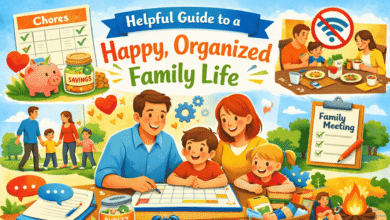
Families need love, care, and support every day. However, modern life often becomes busy and stressful. Parents work long hours. Children spend more time on phones and games. Because of this, many families struggle to stay close and connected. Small problems can slowly become bigger if families stop talking and spending time together.
This is why many people now search for helpful guide convwbfamily online. They want easy ideas that improve family life without making things difficult. Families want practical advice they can use every day. They also want simple solutions that create peace, trust, and happiness inside the home.
The good news is that building a strong family does not require a perfect life. Families only need healthy habits, better communication, and daily care. Even small actions can create huge positive changes over time. A kind word, a shared meal, or a few minutes together can make family bonds much stronger.
This complete helpful guide convwbfamily article will explain how families can improve communication, reduce stress, create better routines, and enjoy more quality time together. The ideas are simple, practical, and easy for every family to follow.
What Is Helpful Guide Convwbfamily?
The term helpful guide convwbfamily refers to simple family guidance that helps people create healthier relationships at home. It focuses on daily habits that improve communication, trust, respect, and emotional support between family members. Families today face many challenges, so they often need helpful advice that feels easy and realistic.
Many parents feel stressed because of work, money, and household responsibilities. At the same time, children face pressure from school, social media, and busy schedules. Because everyone feels distracted, families sometimes stop spending meaningful time together. This problem can slowly weaken relationships inside the home.
A strong family guide helps people reconnect with each other. It teaches families how to listen carefully, solve problems calmly, and support one another during difficult times. The best part is that families do not need expensive programs or complicated rules. They only need simple daily habits that create positive change.
That is why helpful guide convwbfamily has become popular among parents and families searching for practical solutions. The advice focuses on real-life situations that every family can understand and use immediately.
Why Family Connection Matters So Much
Family connection is important because strong relationships help people feel safe, loved, and supported. Children especially need emotional support from parents and siblings. When families stay connected, children usually feel more confident, happier, and emotionally healthy.
Strong family relationships also help adults manage stress better. Life becomes easier when family members support one another during hard times. Families who communicate openly often solve problems faster because they trust each other more. This trust creates peace inside the home.
Unfortunately, modern technology sometimes reduces family interaction. Many people spend hours on phones, tablets, and computers. Family members may sit in the same room without talking to each other. Over time, emotional distance can grow if families stop sharing conversations and experiences.
This is where helpful guide convwbfamily becomes very useful. It reminds families that small moments matter. Eating dinner together, asking about someone’s day, or playing games together can improve emotional connection in powerful ways.
Families who stay connected often build stronger memories together. These memories create happiness that lasts for many years. Children especially remember simple moments of love, support, and laughter.
Simple Communication Tips for Families
Good communication is one of the most important parts of a happy family. Families cannot solve problems if they stop listening to each other. Healthy communication allows parents and children to express feelings honestly and respectfully.
One simple way to improve communication is by creating daily conversation time. Families can talk during dinner, before bedtime, or while traveling together. Even short conversations help family members stay emotionally connected. Asking simple questions can also encourage children to share more openly.
Parents should listen carefully when children speak. Many children stop talking if they feel ignored or judged. Instead of interrupting quickly, parents should allow children to explain their thoughts completely. Calm listening builds trust and emotional safety.
At the same time, children should also learn respectful communication. They should understand the importance of honesty, kindness, and patience when speaking with family members. Families who communicate respectfully often avoid many unnecessary arguments.
Another helpful idea from helpful guide convwbfamily is reducing distractions during conversations. Phones, televisions, and social media often interrupt family communication. Turning off devices during meals or family discussions helps everyone focus better on each other.
Strong communication takes practice, but small improvements can create major positive changes inside the home.
Building Strong Daily Family Routines
Daily routines help families stay organized and connected. Families who follow healthy routines often experience less stress because everyone understands their responsibilities and schedules. Good routines also help children feel secure and comfortable.
Morning routines are especially important. Families who prepare early often avoid stressful mornings. Simple habits like preparing clothes, school bags, and lunches the night before can save time and reduce pressure. Calm mornings help everyone start the day with a better mood.
Evening routines also play a huge role in family happiness. Families can use evenings for dinner, conversations, homework help, or relaxation together. Shared evening activities help family members reconnect after busy days.
Bedtime routines are helpful for children as well. Reading stories, talking calmly, or spending quiet time together helps children feel safe and relaxed before sleep. These simple habits also strengthen emotional bonds between parents and children.
According to helpful guide convwbfamily, routines should remain flexible when needed. Families should not feel pressured to create perfect schedules. Instead, they should focus on routines that support peace, balance, and healthy communication.
Small routines may seem simple, but they often create strong family stability over time.
The Importance of Quality Family Time
Many families spend time together physically, but they do not always connect emotionally. True quality time means giving full attention to one another without distractions. These moments help families create stronger emotional bonds.
Quality family time does not require expensive vacations or fancy activities. Simple moments often create the best memories. Families can cook meals together, play board games, watch movies, walk outside, or simply sit and talk.
Children especially value attention from parents. Even short moments of focused attention help children feel important and loved. Parents who spend regular quality time with children often build stronger trust and communication.
Weekend family activities also create positive experiences. Families can visit parks, explore nature, or enjoy simple home activities together. Shared experiences often bring family members closer emotionally.
One key lesson from helpful guide convwbfamily is that consistency matters more than perfection. Families do not need long hours together every day. Even small daily moments can strengthen relationships when people stay fully present and engaged.
The goal is to create emotional closeness through simple shared experiences.
Helping Children Feel Supported
Children need emotional support while growing up. They face challenges at school, with friendships, and through personal changes. Supportive families help children feel more confident and emotionally secure.
Parents should encourage children to express their feelings openly. Some children feel nervous about sharing emotions because they fear criticism or punishment. Families should create safe environments where children feel comfortable speaking honestly.
Positive encouragement also matters greatly. Children feel motivated when parents recognize their efforts and progress. Praise does not always need to focus on success alone. Encouraging hard work and good behavior also helps children develop confidence.
Another important part of helpful guide convwbfamily involves emotional patience. Children sometimes make mistakes while learning. Parents should guide children calmly instead of reacting with anger immediately. Calm guidance teaches children responsibility without damaging trust.
Families should also support children during stressful moments. School pressure, friendship problems, and emotional struggles can feel overwhelming for children. Emotional support from family helps children feel less alone during difficult situations.
Strong emotional support creates healthier, happier children who feel safe inside their family environment.
Managing Stress Inside the Home
Every family experiences stress sometimes. Work pressure, school problems, money concerns, and daily responsibilities can create tension inside the home. However, families can manage stress better by working together calmly.
One helpful method is creating peaceful family habits. Families should avoid shouting during disagreements whenever possible. Calm discussions usually solve problems more effectively than angry arguments.
Families should also learn healthy stress-relief activities. Walking outside, exercising, cooking, or relaxing together can reduce emotional pressure. Shared activities help family members feel more connected during stressful times.
Another useful idea from helpful guide convwbfamily is asking for help when needed. Families do not need to solve every problem alone. Friends, relatives, teachers, or counselors can sometimes provide useful support and advice.
Healthy sleep and balanced routines also reduce stress significantly. Tired family members often become more emotional and impatient. Good sleep improves mood, focus, and emotional control for both parents and children.
Stress will always exist sometimes, but strong family support helps everyone manage it more successfully.
Teaching Respect and Kindness at Home
Respect creates healthier family relationships. Families who treat each other kindly usually experience fewer conflicts and stronger emotional trust. Respect should exist between parents, children, and siblings equally.
Children often learn behavior by watching adults. Parents who speak calmly and respectfully teach children to communicate the same way. Actions usually teach stronger lessons than words alone.
Simple habits can build respect daily. Saying “please,” “thank you,” and “sorry” helps create a positive home environment. Families should also respect each other’s feelings, opinions, and personal space.
According to helpful guide convwbfamily, kindness is equally important. Small acts of kindness improve family happiness greatly. Helping with chores, sharing encouraging words, or supporting family members during hard times creates stronger emotional connections.
Families should celebrate teamwork rather than competition. Supporting one another builds unity and trust inside the home. Respect and kindness together create peaceful family relationships that last longer.
Creating Healthy Screen Time Habits
Technology is useful, but too much screen time can reduce family connection. Many families struggle because phones and devices take attention away from real conversations and activities.
Parents should create balanced screen-time rules for the entire family. These rules should feel fair and realistic. For example, families can avoid phones during meals or before bedtime.
Children need outdoor activities, hobbies, and face-to-face conversations. Healthy activities improve emotional health and reduce stress. Families who spend less time online often communicate better with each other.
Another important lesson from helpful guide convwbfamily is leading by example. Parents should also manage their own screen habits carefully. Children usually copy adult behavior.
Technology should support family life, not replace family connection. Balanced screen habits help families stay emotionally closer and healthier overall.
Small Habits That Improve Family Happiness
Many people think happiness comes from big events or expensive things. However, family happiness often grows from small daily habits. Tiny positive actions can create major emotional changes over time.
Families can begin by sharing gratitude daily. Saying kind words and appreciating each other builds emotional warmth inside the home. Gratitude also improves positive thinking.
Helping each other with chores also strengthens teamwork. Families who work together usually feel more connected and supportive. Small teamwork habits teach responsibility and cooperation.
Another useful idea from helpful guide convwbfamily involves celebrating simple achievements. Good grades, hard work, or personal improvements deserve recognition. Celebrating progress encourages positivity and motivation.
Families should also laugh together often. Humor reduces stress and creates joyful memories. Happy moments help families stay emotionally strong during difficult times.
Frequently Asked Questions
1. What is helpful guide convwbfamily?
Helpful guide convwbfamily is a simple family guide that teaches better communication, stronger relationships, and healthy family habits.
2. Why is family communication important?
Good communication builds trust, reduces conflict, and helps family members understand each other better.
3. How can families spend more quality time together?
Families can eat meals together, play games, talk daily, or enjoy simple outdoor activities.
4. How does helpful guide convwbfamily reduce stress?
It teaches healthy routines, calm communication, emotional support, and teamwork inside the home.
5. Can small family habits really improve relationships?
Yes. Small daily habits like kindness, gratitude, and listening carefully can create strong emotional connections over time.
Conclusion
Modern life often keeps families busy and distracted. However, strong family relationships still matter deeply. Families who communicate openly, support each other, and spend quality time together usually experience more happiness and emotional stability.
The ideas shared in helpful guide convwbfamily are simple but powerful. Small habits can slowly create stronger trust, better communication, and healthier family routines. Families do not need perfection. They only need consistent care, patience, and teamwork.
Strong families grow through love, respect, and daily effort. Every small positive action helps create a safer and happier home environment. By following the lessons from helpful guide convwbfamily, families can build stronger relationships that last for many years.
